
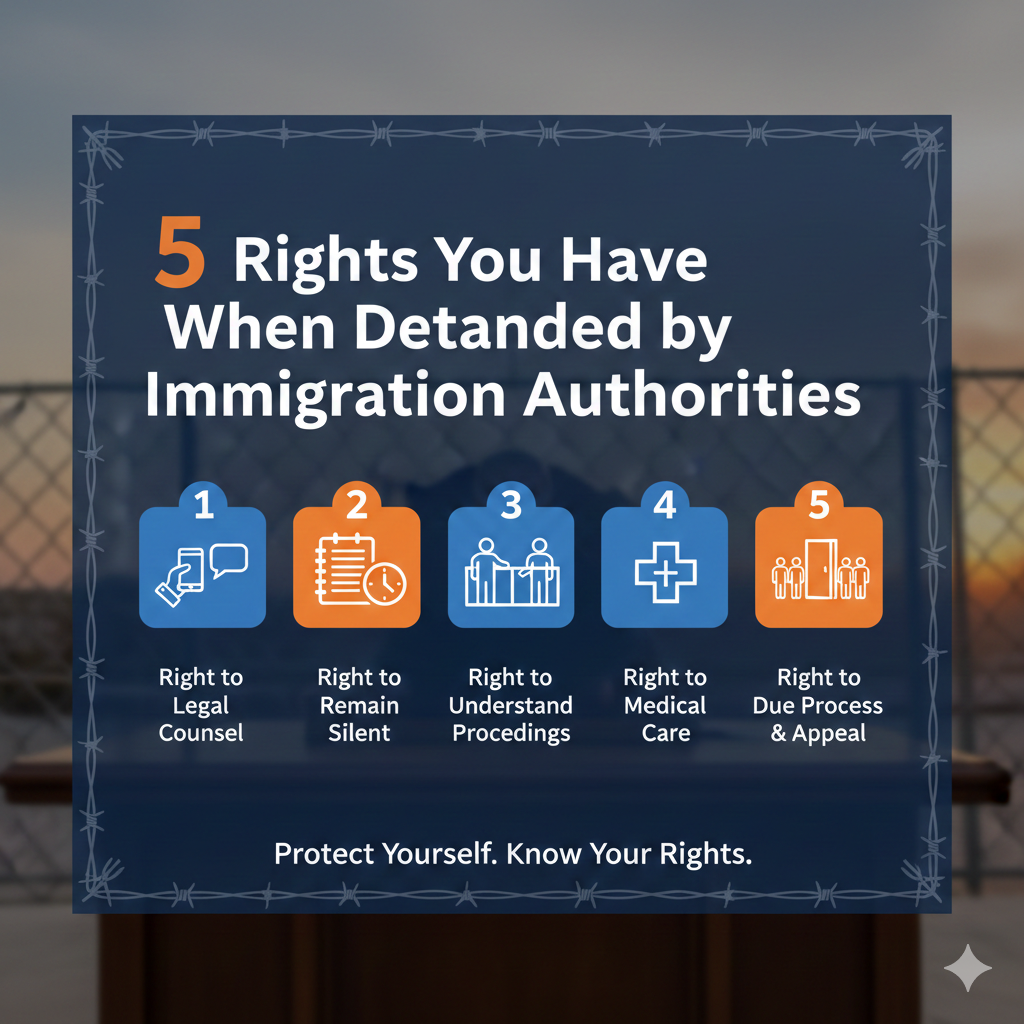
Being detained by immigration authorities can be an overwhelming and confusing experience. Knowing your rights in these moments is crucial—not only to protect yourself but also to navigate teh process with greater confidence and clarity. In this article, we’ll explore **5 essential rights you have when detained by immigration authorities**. From understanding what you can say or refuse to share, to knowing when and how you can seek legal assistance, this listicle will equip you with the knowledge you need to assert your rights calmly and effectively. Whether you or a loved one is facing detention, these key points will help you stay informed and prepared.
1) The Right to Remain Silent – You are not obligated to answer questions or provide information beyond your identity. Staying silent can help protect you from unintentionally saying something that may be used against you
Knowing when to speak and when to stay silent is crucial during any interaction with immigration authorities. You have the absolute right not to answer questions beyond confirming your identity. This means you are under no obligation to provide details about your immigration status, travel plans, or personal background. Maintaining silence is a powerful tool that protects you from inadvertently sharing information that might be misinterpreted or used against you later. Remember,responses given in the moment can have long-lasting consequences,so exercising this right wisely can be a form of self-preservation.
Here’s what exercising this right effectively looks like:
- Politely confirm your name and identification details only.
- Refrain from volunteering additional information or explanations.
- Request legal counsel before answering any further questions.
- Stay calm and composed to avoid escalating the situation.
| Do | don’t |
|---|---|
| Stay silent beyond your ID | Feel pressured to explain your immigration status |
| Ask for a lawyer promptly | Answer questions without legal advice |

2) The Right to Legal Representation – You have the right to consult with an attorney before and during any questioning. If you cannot afford a lawyer, you may request one, though a public defender is not always provided in immigration cases
When detained by immigration authorities, securing legal representation can make a significant difference in the outcome of your case. You have the right to speak with an attorney both before any questioning begins and throughout the entire process. This ensures that you understand your rights, the implications of your statements, and can make informed decisions about how to proceed. Remember, anything you say can be used in your case, so having a trusted legal adviser by your side is crucial.
However, unlike in criminal cases, a public defender or government-appointed lawyer is not always provided in immigration proceedings.If you cannot afford a lawyer, you can request one, but it’s crucial to note that this does not guarantee free legal counsel. Many immigrants rely on nonprofit organizations or legal aid clinics for assistance. Here’s a rapid overview:
| Legal Support | Availability | Notes |
|---|---|---|
| Private Attorney | Accessible if you can afford | Most reliable representation |
| Public Defender | Rarely provided | Not guaranteed in immigration cases |
| Legal Aid / Nonprofit | Frequently enough available | May offer free or low-cost services |

3) The Right to Know the Reason for Detention – Immigration authorities must inform you why you are being detained. Understanding the charges or grounds for your detention is crucial for your defense
When immigration authorities detain you, it is indeed your basic right to be clearly informed about the specific reasons behind your detention. This openness is not just a formality—it is essential for preparing your defense and understanding your legal standing. Without knowing the exact grounds, such as visa issues, suspicion of illegal entry, or other immigration violations, it becomes nearly impossible to respond appropriately or seek the right legal help.
Key points to remember include:
- Request a clear and detailed explanation of the charges or grounds for detention.
- Document any information given to you, either in writing or verbally.
- Use this information to consult with an immigration lawyer or your legal representative promptly.
| Common Grounds for Detention | What You Should Do |
|---|---|
| Expired or Invalid Visa | Check documents and ask for proof of visa status problem |
| Suspicion of Illegal Entry | Request details of allegations and evidence |
| Pending Deportation Order | Demand clear explanation and possible appeal options |

4) The Right to Contact Family or Someone Else – You can ask to make a phone call to inform a family member, friend, or your legal representative of your situation
When detained, it’s important to remember that you have the ability to reach out and let someone know where you are and what’s happening. You can request to make a phone call to inform a family member, a close friend, or your legal representative about your current situation. This contact is crucial not only for your peace of mind but also to ensure that someone on the outside can assist in arranging legal help or support during your detention.
making this call is more than just a courtesy—it’s a right designed to keep you connected and supported. Typically, detention facilities will allow you to call a limited number of people, such as:
- Immediate family members like parents, siblings, or children
- Close friends you trust
- Legal representatives who can provide professional advice and representation
| Who You Can Call | Purpose of the Call |
|---|---|
| Family | Inform them of your location and health |
| Friends | Request personal support or assistance |
| Legal representative | Discuss your case and get legal advice |

5) The right to a Hearing and Due Process – You are entitled to a fair hearing before an immigration judge, where you can contest your detention or removal from the country
When facing immigration detention, it’s essential to know that you have the possibility to present your case before an impartial immigration judge. This hearing is your moment to challenge the reasons for your detention or removal, ensuring that every detail of your situation is considered. The process is designed to be fair, allowing you to bring evidence, call witnesses, and have legal representation to help argue your case effectively.understanding this right means you are not simply subject to detention without recourse; you have a structured path to defend your presence in the country.
To prepare thoroughly for your hearing, it’s helpful to be aware of what you can expect during the proceedings. Here’s a quick overview of key elements in a typical immigration hearing:
| Element | Purpose | Your Role |
|---|---|---|
| Master Hearing | Initial review of your case | Respond to charges and request evidence |
| merits Hearing | Detailed examination of your application or relief | Present evidence and testimony |
| Judge’s Decision | Final ruling on detention or removal | Await the outcome and prepare for next steps |
- Legal Representation: You have the right to a lawyer, even though one is not provided by the government.
- Interpreter Services: If you don’t speak English fluently, you can request an interpreter to ensure full comprehension and participation.
- Appeal rights: If you disagree with the judge’s decision,ther are avenues to appeal within the legal system.

Wrapping Up
Knowing your rights when detained by immigration authorities can make all the difference in a challenging situation. Whether it’s asserting your right to remain silent, requesting legal counsel, or understanding the limits of an officer’s authority, being informed empowers you to navigate the process with greater confidence and clarity. Remember, these rights are designed to protect you—don’t hesitate to use them.Stay calm, stay aware, and above all, stay informed. Your knowledge is your strongest ally.